Gratitude is an important value children can begin learning early in life.
When kids learn to appreciate what they have, they develop empathy, stronger relationships, and a healthier sense of well-being. Gratitude helps children notice kindness, value connection, and build emotional awareness.
But how do you explain gratitude to a child in a way that actually makes sense?
It starts small.
Teaching gratitude begins by helping children understand what it means to be thankful. Explain that gratitude is about noticing the good things in their lives—big and small—and appreciating the people who help them along the way.
Encouraging children to say “thank you” is a simple but powerful first step. When they express gratitude, explain why it matters. Help them see that gratitude strengthens relationships and makes others feel valued.
Key Takeaways
- Teaching gratitude helps children develop empathy and stronger relationships
- Gratitude means recognizing and appreciating the good things in life
- Children learn gratitude best by example
- Stories and age-appropriate activities make gratitude easier to understand
- Gratitude is a skill that grows through daily practice
Why Gratitude Matters for Kids
Gratitude offers powerful benefits for children’s emotional, physical, and social development.
Research shows that grateful children tend to be more empathetic and less likely to act out toward others. Gratitude encourages kindness, patience, and understanding—qualities that support healthy friendships and positive behavior.
Gratitude also supports physical well-being. Children who regularly practice gratitude often experience fewer stress-related complaints and are more likely to engage in healthy habits, such as movement and self-care.
Emotionally, gratitude helps children build self-esteem and develop a more positive self-image. When kids recognize what’s going well in their lives, they begin to feel more secure and confident.
Gratitude can also be especially helpful for children who have experienced stress or trauma. It supports resilience by helping children focus on moments of safety, support, and hope—even during difficult times.
In short, gratitude strengthens emotional health, improves relationships, and supports long-term well-being.
Modeling Gratitude as a Parent or Caregiver
Children learn gratitude by watching the adults around them.
When parents and caregivers openly express gratitude—thanking one another, appreciating small moments, and naming what they are thankful for—children naturally absorb those behaviors.
Make gratitude visible in daily life.
Share what you’re grateful for during meals.
Acknowledge acts of kindness out loud.
Express appreciation even during ordinary moments.
When gratitude becomes part of family culture, children learn that thankfulness is not forced—it’s lived.
Gratitude Activities for Kids
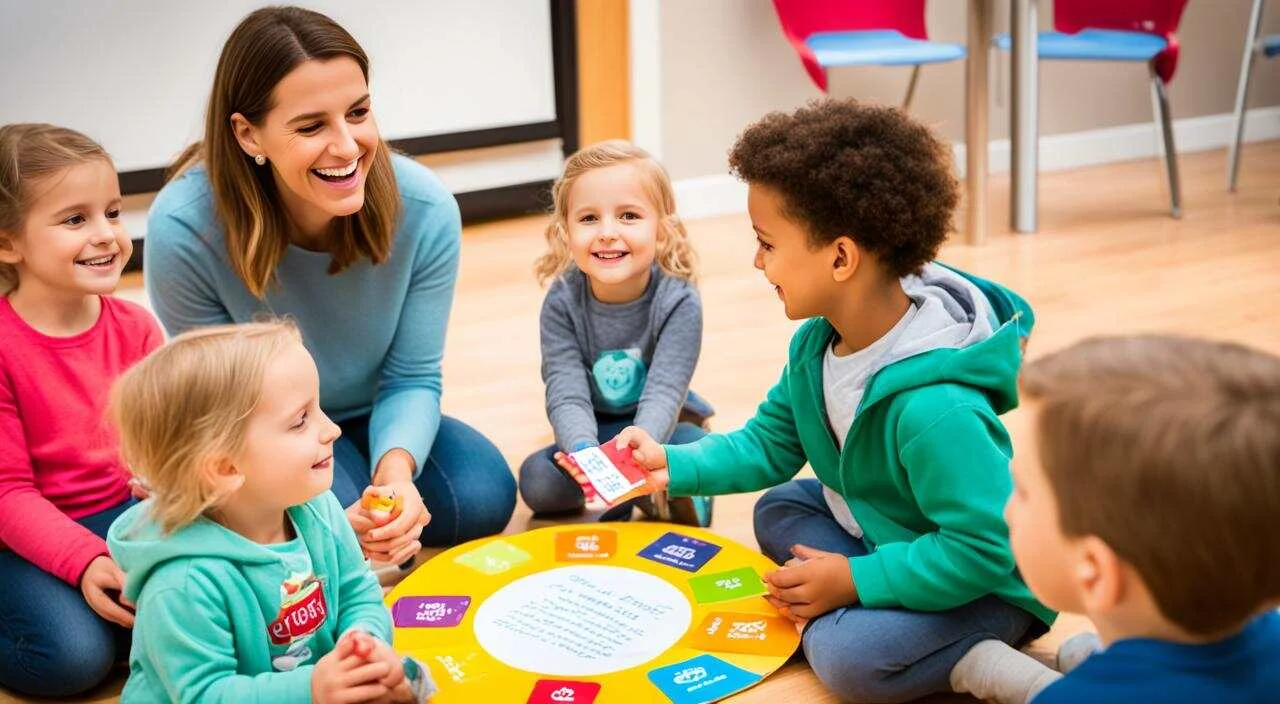
Gratitude becomes easier for children to understand when it’s made concrete. Interactive activities help children practice appreciation in ways that feel natural and fun.
Here are simple gratitude activities children often enjoy:
- Gratitude jar: Children write or draw something they’re thankful for and place it in a jar
- Gratitude walks: Take walks together and notice things worth appreciating in nature and surroundings
- Thank-you notes: Help children write cards or letters to express appreciation
- Gratitude collage: Create visual reminders using pictures, drawings, or words
- Gratitude games: Play games like “alphabet thanks” or “gratitude by numbers”
- Gratitude journal: Encourage children to list or draw things they’re thankful for each day
These activities help children turn gratitude into a habit rather than a one-time lesson.
Teaching Gratitude Through Stories
Stories are one of the most effective tools for teaching gratitude to young children.
Books with relatable characters and simple storylines help children see gratitude in action. Reading gratitude-focused stories together creates opportunities for discussion and reflection.
After reading, ask questions like:
- What was the character thankful for?
- How did gratitude change how they felt?
- What are you thankful for today?
Stories make abstract ideas feel real—and memorable.
Tips for Explaining Gratitude to a Child
Teaching gratitude doesn’t require long lessons. Small, consistent conversations make the biggest impact.
Here are practical ways to explain gratitude to kids:
- Encourage children to say thank you and explain why it matters
- Talk about what gratitude feels like, not just what it sounds like
- Ask open-ended questions about things they appreciate
- Celebrate effort, kindness, and generosity
- Practice gratitude together as a family
The goal is not perfection—it’s awareness.
Making Gratitude Part of Daily Life
Gratitude grows through repetition.
Simple routines help reinforce gratitude naturally:
- Sharing one thankful moment before bedtime
- Talking about good moments during meals
- Reflecting on kindness at the end of the day
Over time, these small habits shape how children view the world.
Gratitude becomes less about saying the right words—and more about noticing meaning.
Conclusion
Teaching gratitude to children is a powerful investment in their future.
When children learn to appreciate what they have, they become more empathetic, resilient, and emotionally balanced. Gratitude supports healthier relationships, stronger self-esteem, and improved well-being.
Through modeling, storytelling, daily routines, and interactive activities, parents and caregivers can help children develop gratitude in ways that feel natural and lasting.
Gratitude is not just a lesson—it’s a mindset.
And it’s one that can shape a child’s life for years to come.
Frequently Asked Questions
How can I explain gratitude to a child?
Use simple language and real examples. Explain gratitude as noticing and appreciating good things and expressing thanks when someone is kind or helpful.
What activities help teach gratitude to kids?
Gratitude jars, walks, journals, thank-you notes, games, and volunteering are all effective ways to teach gratitude.
How can I foster gratitude at home?
Model gratitude regularly, talk about appreciation as a family, and create simple gratitude routines children can participate in.
Why is teaching gratitude to children important?
Gratitude supports empathy, emotional health, resilience, better relationships, and overall well-being.