Category: Kids Choice
Your blog category

How to Teach ABC to a 3-Year Old
Teaching the alphabet is very important. It’s one of the first things parents teach their kids. Toddlers and preschoolers need to learn the alphabet to understand letters and their sounds. But, teaching the alphabet can get tough. It takes a lot of patience and practice. Still, seeing the progress is really rewarding. This guide will…
What age do kids understand what you’re saying?
Children go from first words to full sentences quickly in their early years. It’s tough for parents to know when their child should hit key understanding levels. Parents often wonder when their little one will really begin to talk. Every child follows their unique path in development. Yet, talking to babies is critical for their…
At What Age Does a Child Know Right from Wrong?
The law says kids know right from wrong between ages 7 to 15, depending on where they live. The Roman Catholic Church says they hit this understanding at 7. But, developmental psychologists are not so sure. They do know a child’s moral sense grows over time. Exploring moral development, it’s clear kids learn right and…
What is the best way to teach children?
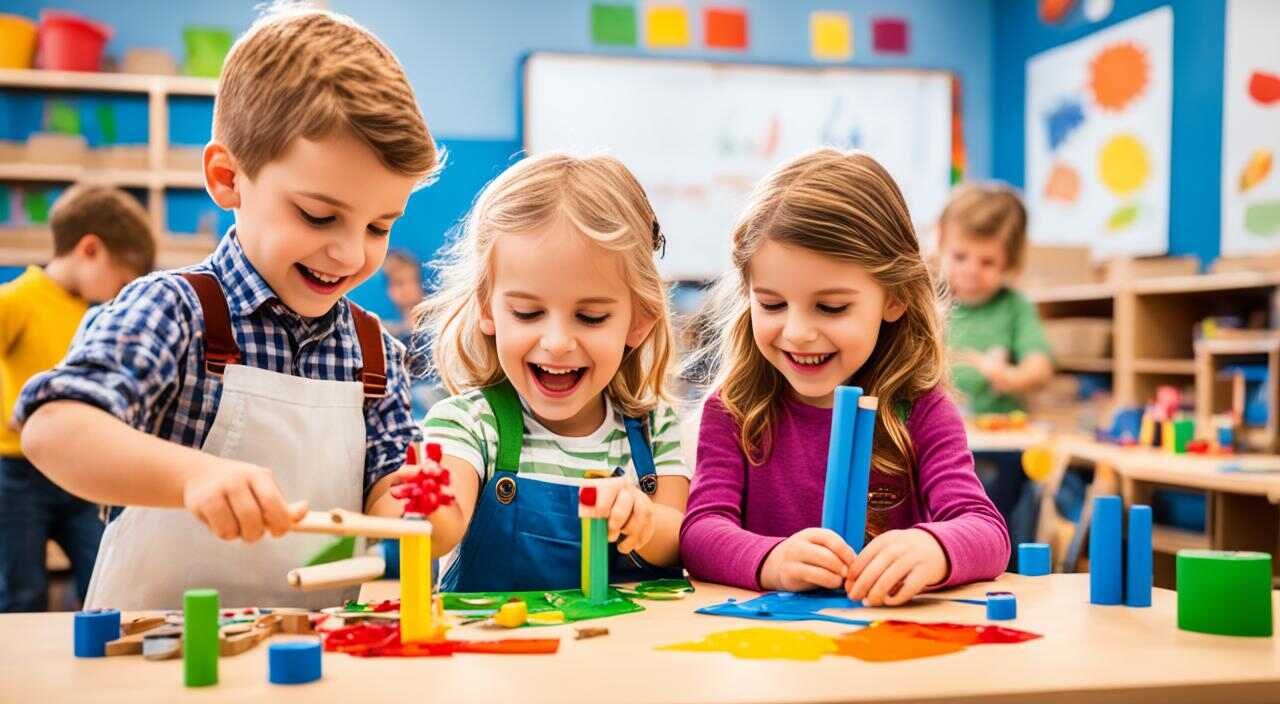
Our aim as teachers is to spark curiosity and love for learning in kids. This includes using the right teaching techniques for their needs. We’ll look at different child education methods and engaging activities. Our focus is on creating lively, student-driven classrooms. We’ll talk about the importance of using positive feedback and ways to grow…
How do you explain what the Bible is to a child?
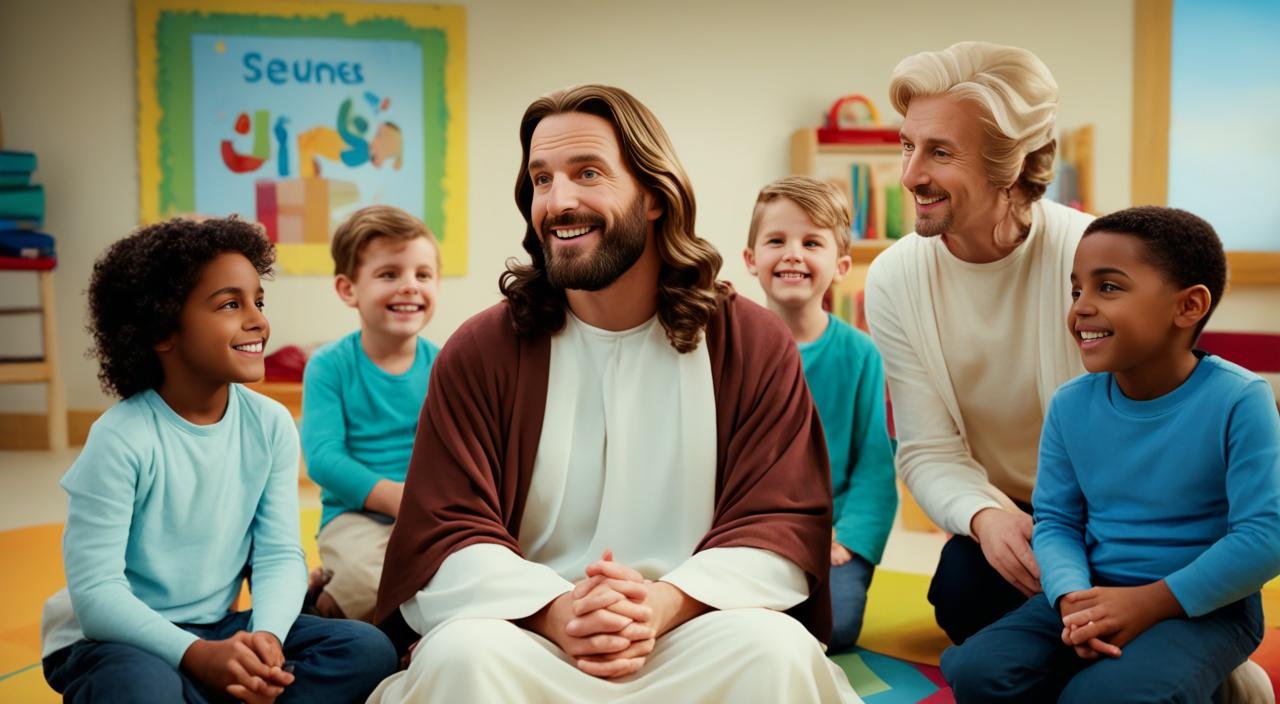
How do we explain the Bible to children? Children’s Bible can be challenging, but starting with Jesus makes it easier. The Bible is big and can seem complex for kids. Yet, we should present it as God’s message in a special book. It’s best to show how Jesus is at the heart of the Bible,…
How do you explain secrets to a child?
As parents and caregivers, our job is to help kids understand secrets. This article focuses on talking to kids about secrets in a way they can grasp. It helps build trust, teach them how to handle emotions, and set personal limits. By explaining secrets clearly and gently, protecting kids’ privacy, showing when to keep things…
How do you explain how a baby comes out to a child?
Explaining birth to children is about being honest yet age-sensitive. It’s a tricky line for parents to walk. Kids ask where babies come from and how they’re born. It’s a tough topic, but an essential one to discuss openly and factually. Parents should use easy, truthful answers fitting the child’s age and interest. Finding this…
How to Teach a Child to Describe?
Developing your child’s descriptive skills can be rewarding. It strengthens the bond between parents and children. Descriptive skills, vocabulary development, storytelling, visual aids, and sensory experiences are key. They help your child grow in language and literacy every day. The Hanen Center for Early Language and Literacy has great tips. They suggest making conversations easy…

How do you explain odd and even numbers to a child?
Even and odd numbers are a key math concept for kids to learn. They usually start learning about this in first or second grade. It’s then reinforced in later elementary school years. To get even and odd numbers, a child must be able to count up to 100. There are many fun ways to teach…
How do you explain affect and effect to a child
Learning the difference between “affect” and “effect” can be tricky for young ones. This article aims to make it clear for kids. We’ll show what each word means. We’ll use examples, fun pictures, and memory tricks. This will help children understand the words better. It’s important that kids learn the difference between “affect” and “effect.”…